Gene Luen Yang on Faith, Storytelling, and Making the Invisible Visible
From American Born Chinese to Avatar: The Last Airbender, from Shang-Chi to Dragon Hoops, Gene Luen Yang has spent his career telling stories that bridge cultures, challenge stereotypes, and invite readers into deeper questions of identity and belonging. The award-winning graphic novelist joined Wedgwood Circle President Craig Detweiler for a conversation about creativity, comics, faith, and why great stories begin with conflict.*
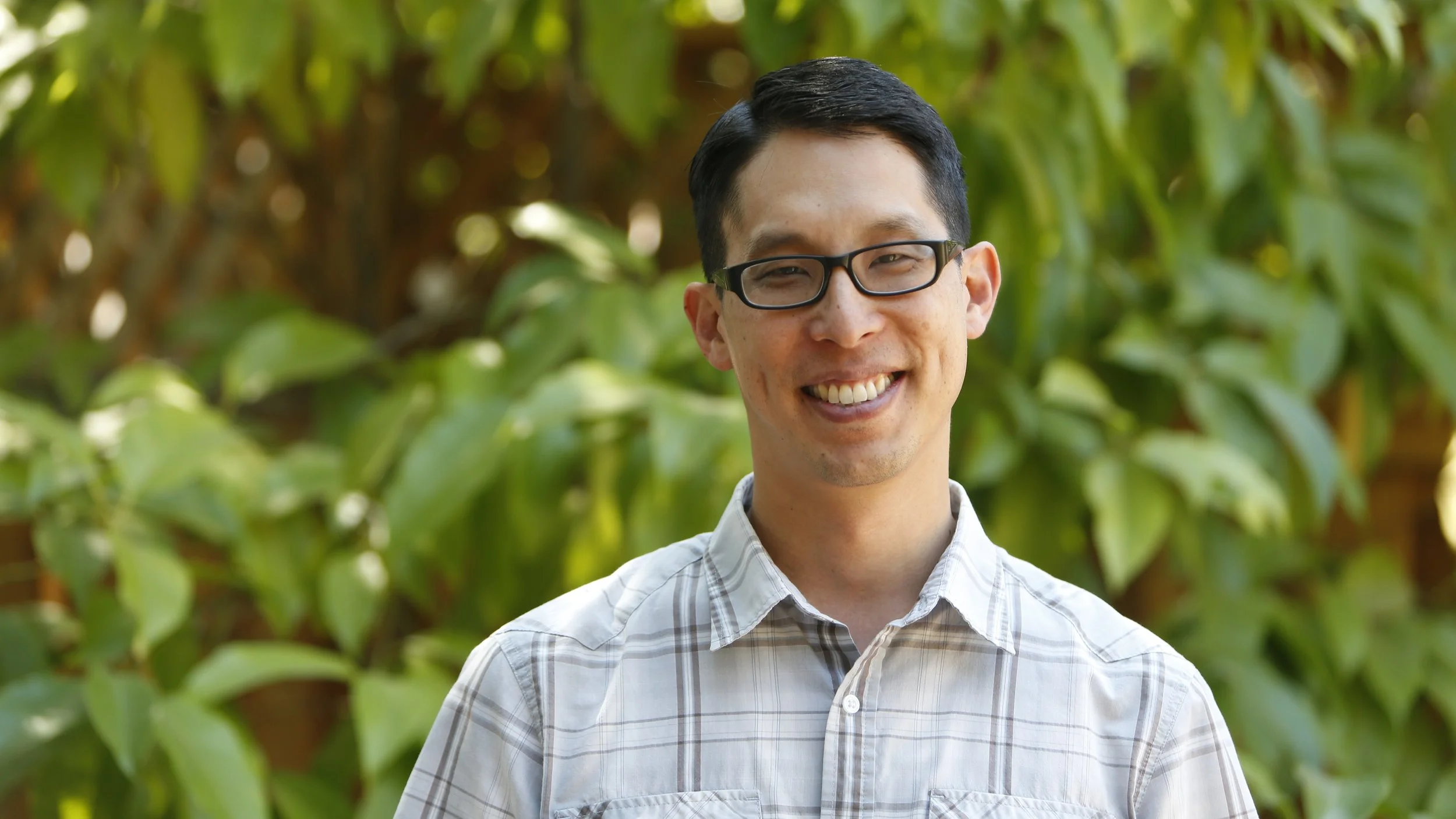
NPR Article - John D. and Catherine T. MacArthur Foundation
Finding Your Voice and Borrowing Another
Gene Luen Yang's career has unfolded across two very different creative worlds.
On one side are deeply personal works like American Born Chinese and Dragon Hoops, stories shaped by his own experiences, questions, and observations. On the other are beloved franchises such as Avatar: The Last Airbender and Marvel's Shang-Chi, where the challenge is not creating a world from scratch but inhabiting one that already exists.
The creative process, he says, is fundamentally different.
"When I'm working on a book like Dragon Hoops, it's about figuring out how to get my own voice onto the page. When I'm working in the Avatar universe, it's about conforming to a pre-established voice."
Before writing for Avatar, Yang immersed himself in the animated series for months, letting its rhythms and characters become second nature.
Yet even when working inside someone else's mythology, he believes every creator is searching for overlap between their own concerns and the spirit of the story.
For Yang, Avatar's exploration of different cultures learning to coexist resonated deeply with his experience as an Asian American navigating multiple worlds.
"I felt like that's what my life has been about," he said. "Trying to knit different cultures together."
Writing About Faith Without Writing About Faith
One of the most insightful moments of the conversation came when Yang reflected on advice he received from a college writing professor.
As a young writer at UC Berkeley, Yang wrestled with how to incorporate faith into his work. During office hours, he asked his creative writing professor how to write about Christianity.
Her answer surprised him.
"Don't write about your faith," she said.
Instead, she encouraged him to write honestly about his life.
"Live your faith. And if your faith is actually important to you, it'll bleed out into what you're writing."
Decades later, Yang still considers it some of the best creative advice he has ever received.
Rather than creating stories that function as arguments or sermons, he focuses on telling truthful stories about people.
The faith emerges naturally.
Why Conflict Matters
For Yang, every meaningful story begins with conflict.
When searching for ideas, he encourages writers to pay attention to the places in life that feel uncomfortable.
The moments of frustration.
The moments of anger.
The moments of doubt.
Those emotions often reveal where the story already exists.
"Often that points to the conflict in your own life," he said. "That points to the seed of a story."
The same principle applies to faith.
While many people focus on the comforting aspects of belief, Yang believes some of the richest storytelling emerges from struggle.
"Sometimes living out your faith feels really good. Sometimes it feels terrible."
He encourages writers not to avoid difficult questions but to move toward them.
The problem of evil. Doubt. Disappointment. Wrestling with God.
Those tensions often become the foundation for compelling stories.
"I think you'll get a better story if you look at the parts of your faith where you don't feel good."
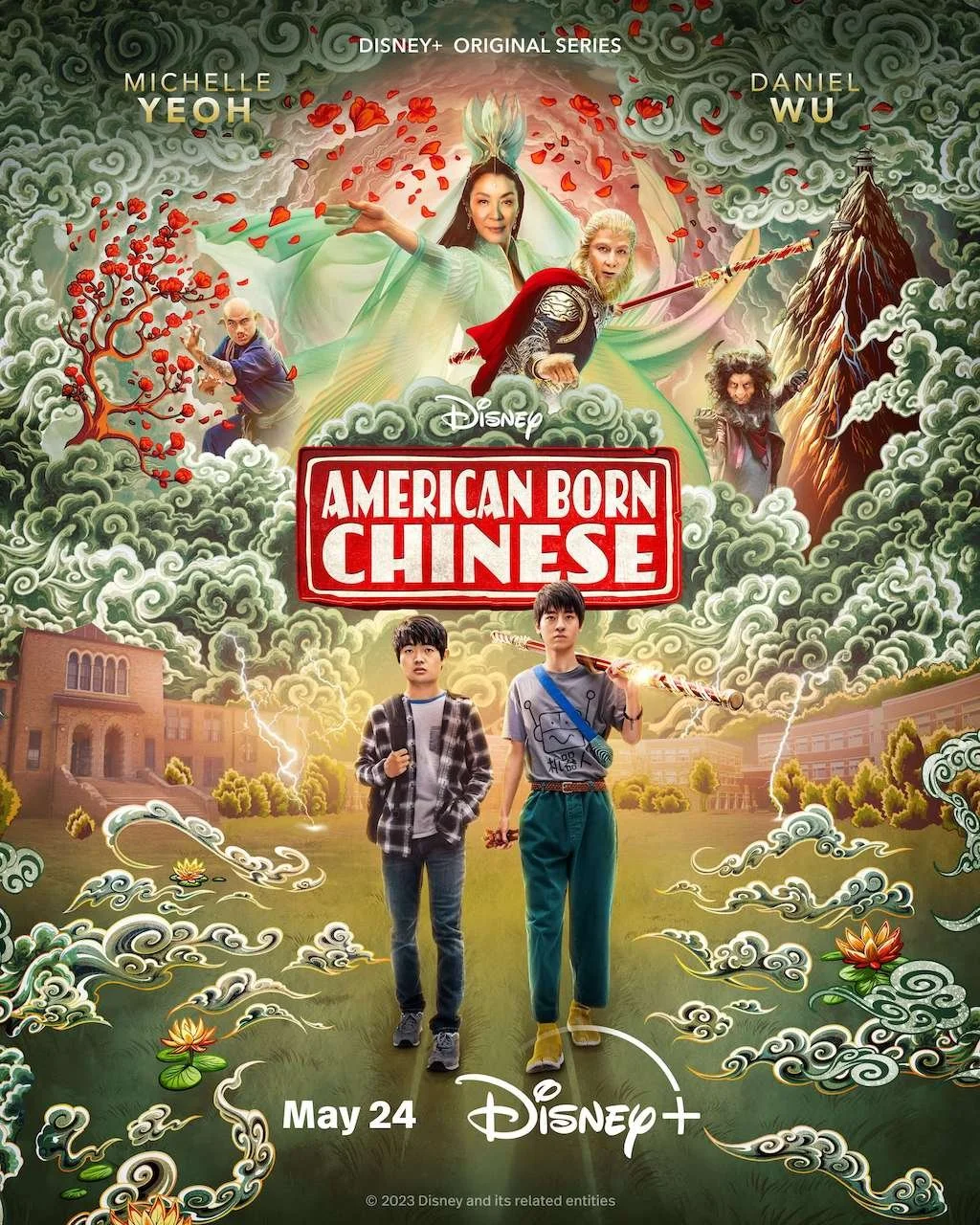
© Disney
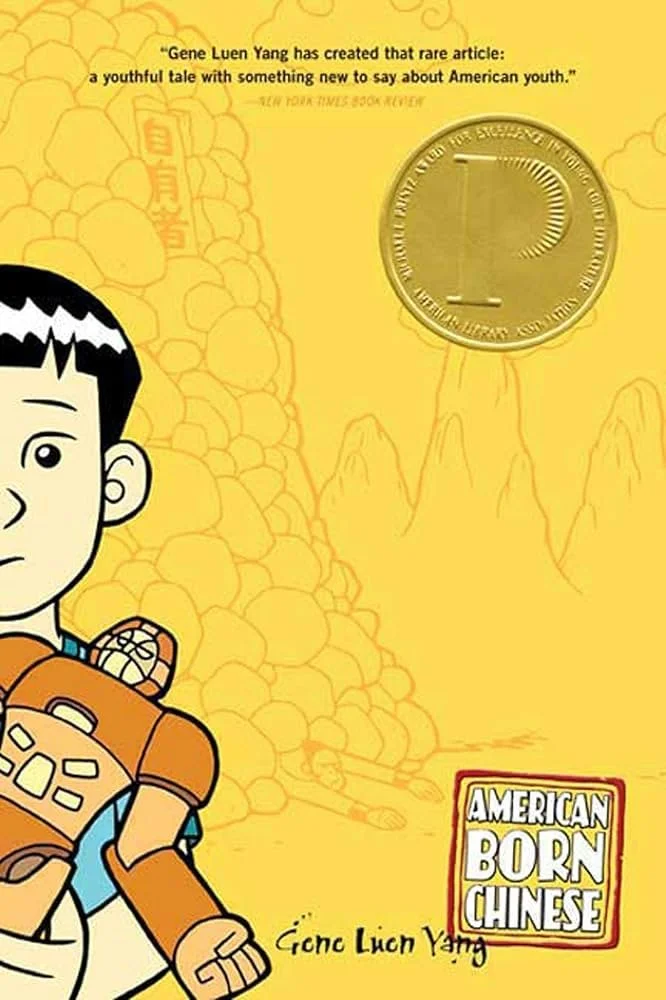
Tell the Story Anyway
As a writer whose work often engages questions of culture, identity, and faith, Yang frequently thinks about how readers interpret stories.
Yet he believes creators can become paralyzed when they worry too much about controlling meaning.
"You as the author don't entirely determine the meaning of your piece."
Every reader brings their own experiences, assumptions, and history into the story.
That means interpretations will sometimes differ from what the author intended.
Some may even contradict it.
Yang has learned to accept that reality.
Ultimately, he believes the responsibility of the creator is not to manage every possible interpretation but to tell the story truthfully.
"Tell it from the truest spot inside yourself that you can."
Then, he says with characteristic humility:
"Say a prayer before you start and tell the story you want to tell."
Comics as a Cultural Language
When Yang was growing up in the 1980s, comics were often considered a niche interest.
Today, he sees a dramatically different landscape.
Students who once might never have picked up a comic book are now growing up on graphic novels like Smile, Amulet, Bone, and Dog Man.
"Everybody reads comics," he said.
For Yang, the future of the medium is bright.
The next frontier may be adult-oriented graphic novels, as a generation raised on comics continues to mature.
He also believes comics occupy a unique place between words and images, particularly when viewed through the lens of Asian artistic traditions.
In Chinese brush painting, poetry and imagery have historically existed side by side.
Neither is considered complete without the other.
That integration fascinates him.
"Words and pictures aren't competitors," he said. "They're partners."
Making the Invisible Visible
As the conversation came to a close, Yang reflected on the relationship between faith, art, and visual storytelling.
As both a cartoonist and a Sunday school teacher, he has spent years thinking about images, imagination, and what it means to create.
Ultimately, his answer returned to Christ Himself.
"Christ made the invisible visible."
For Yang, that idea sits near the heart of both faith and art.
Stories, drawings, and images help reveal realities that often remain hidden beneath the surface of everyday life.
"There is something about taking invisible concepts and making them visible," he said, "that is part of why we're here."
"Live your faith. And if your faith is actually important to you, it'll bleed out into what you're writing."
— Gene Luen Yang
From graphic novels and superheroes to theology and culture, Gene Luen Yang continues to demonstrate that great storytelling is about more than entertainment. At its best, it helps us see what was always there, waiting to be noticed.