Ryan O'Neal of Sleeping at Last on Beauty, Grief, and the Courage to Be Seen
For more than a decade, Ryan O'Neal, the creative force behind Sleeping at Last, has quietly become one of the most beloved independent musicians in the world. His songs have been streamed hundreds of millions of times, soundtracked life's most meaningful moments, and found a devoted audience drawn to their beauty, honesty, and emotional depth. Now, a new documentary, Sleeping at Last: Light Carries On, offers an intimate look at the man behind the music.
Wedgwood Circle President Craig Detweiler sat down with O'Neal and filmmaker Brian McDonald to discuss creativity, loss, and the healing power of storytelling.
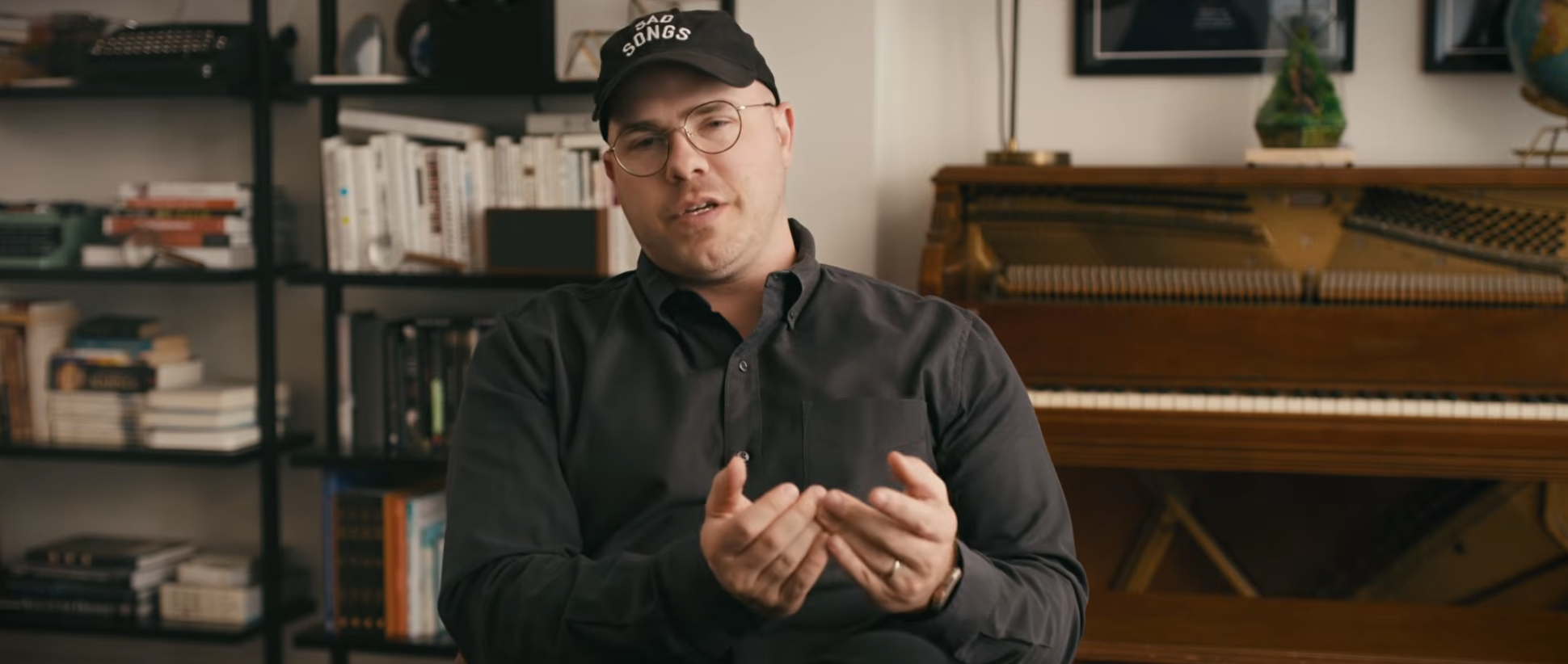
© Sleeping At Last
Returning to the Stage
For years, Ryan O'Neal largely disappeared from the touring circuit.
While many musicians spend their careers moving from venue to venue, O'Neal focused almost exclusively on writing and recording. The studio became his home.
Then everything changed.
Three years ago, his mother passed away unexpectedly.
The loss forced him to reevaluate not only his grief, but the fears and insecurities that had quietly shaped his life.
"When my kids asked why I never played concerts anymore, I realized I had been telling myself a story that wasn't actually true," he said.
The issue wasn't that he disliked performing.
It was fear.
Perfectionism.
Insecurity.
Rather than continuing to avoid it, O'Neal decided to face it.
The result has been a remarkable return to live performance, including appearances at Carnegie Hall, Royal Albert Hall, and Nashville's legendary Ryman Auditorium.
"I've been able to come face-to-face with those insecurities and figure out how to believe in myself in a new way."
The Documentary That Was Never Supposed to Exist
Filmmaker Brian McDonald never intended to make a feature-length documentary.
In fact, he only planned to create a short promotional video.
The two friends had known each other for more than fifteen years, and McDonald simply wanted to tell a small story about O'Neal's music.
Then the interview began.
As O'Neal spoke candidly about grief, anxiety, depression, and the loss of his mother, something deeper emerged.
"Even my audio technician said it was one of the best interviews he'd ever heard," McDonald recalled.
What began as a ten-minute project quickly evolved into an eighteen-month journey.
McDonald followed O'Neal to Carnegie Hall, Abbey Road Studios, Royal Albert Hall, recording sessions, rehearsals, and deeply personal conversations.
The story had become much larger than either of them anticipated.
"It blossomed into something bigger than I ever planned."
When a Song Saves a Life
One of the documentary's most moving moments comes through the testimony of listeners whose lives have been profoundly shaped by O'Neal's music.
During the conversation, a fan named Erin shared how the song "You Are Enough" became part of her daily life during one of her darkest seasons.
She described playing the song every morning with her young daughter for more than two years.
At one point, she looked directly at O'Neal and told him:
"You helped save my life."
For O'Neal, moments like these remain difficult to comprehend.
"That is such a deep honor," he said. "Thank you for letting the song sit alongside you during one of the hardest moments of your life."
The exchange captures something unique about Sleeping at Last's music.
Rather than demanding attention, the songs often arrive quietly, becoming companions in moments of grief, healing, reflection, and hope.
Learning to Be Seen
For someone whose music has reached millions, O'Neal still describes himself as deeply uncomfortable in front of a camera.
When McDonald first proposed filming a documentary, his instinct was to run.
"I wanted to crawl into a cave," he admitted.
At the time, he was already wrestling with grief, anxiety, and questions about identity.
Adding a camera felt overwhelming.
Yet throughout the filming process, McDonald continued asking thoughtful questions, creating space for conversations that felt less like interviews and more like therapy.
Some of the film's most vulnerable moments emerged unexpectedly.
One interview was filmed immediately after an emotionally difficult doctor's appointment that had left O'Neal sitting alone in his car, overwhelmed by fear and uncertainty.
Watching those moments reflected back to him later became its own form of healing.
"There was something really beautiful about seeing it all together," he said. "It felt like Brian gave something back to me."
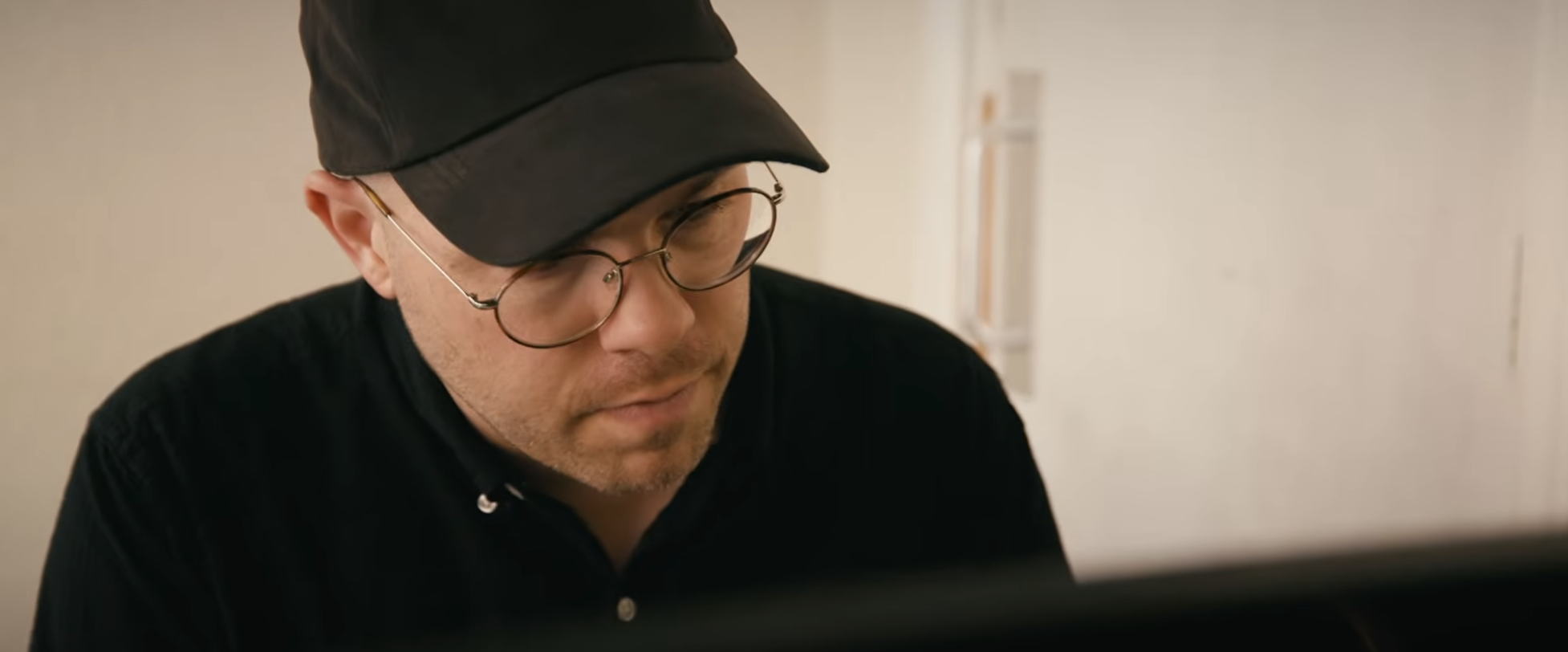
Light Carries On - © Sleeping At Last
Light Carries On
The documentary's title comes from one of O'Neal's lyrics:
Light Carries On.
For McDonald, the phrase captured the heart of the story.
Though the film explores grief, anxiety, loss, and vulnerability, it is ultimately about resilience.
About moving forward.
About carrying what matters.
About finding beauty in the middle of heartbreak.
The title also reflects O'Neal's music itself, songs that have accompanied countless listeners through seasons of uncertainty and pain.
The light does not erase the darkness.
It carries on through it.
The Next Chapter
Even as the documentary nears completion, O'Neal continues creating.
His latest single, "Double Down," recently debuted, and he is already working on a new pair of songs titled "Have" and "Want."
The projects continue to expand in the way Sleeping at Last projects often do, each one becoming part of a larger exploration of identity, humanity, and meaning.
For fans, that ongoing curiosity is part of what makes O'Neal's work so enduring.
The songs never seem interested in providing easy answers.
Instead, they invite listeners to pay closer attention to their lives, their losses, and the beauty hidden inside both.
"I've been able to come face-to-face with those insecurities and figure out how to believe in myself in a new way."
— Ryan O'Neal
At its heart, Sleeping at Last: Light Carries On is not simply a documentary about music. It is a story about grief, courage, creativity, and the difficult work of becoming whole. Through songs, conversations, and unexpected moments of vulnerability, Ryan O'Neal reminds us that healing is rarely instantaneous, but even in our hardest seasons, light carries on.